
Introduction
Watching wooden furniture turn dull and scratched over the years can make an entire room feel tired.
In Dubai, heat, strong air conditioning, fine dust, and harsh sunlight all speed up that wear on tables, chairs, and cabinets.
The good news is that scratches and cloudy patches rarely mean a piece is finished. With the right diagnosis, safe home steps, and timely expert help, wooden furniture can regain its color and smooth shine. This guide explains common damage types, simple scratch fixes, and when services like Shaheen Furniture Polish bring back tired pieces across Dubai.
Key Takeaways
Before picking up sandpaper or polish, a quick overview helps.
Understand scratch depth. Surface marks stay in the finish, while deeper cuts reach the raw wood. Each level needs a different repair method.
Preparation does most of the work. Careful cleaning and sanding create the base; quick polishing alone rarely lasts.
Dubai climate is tough on wood. The right products slow fading and cracking. Professional services such as Shaheen Furniture Polish give stronger, longer-lasting results across the emirate.
What Types of Scratches and Dullness Affect Wooden Furniture?
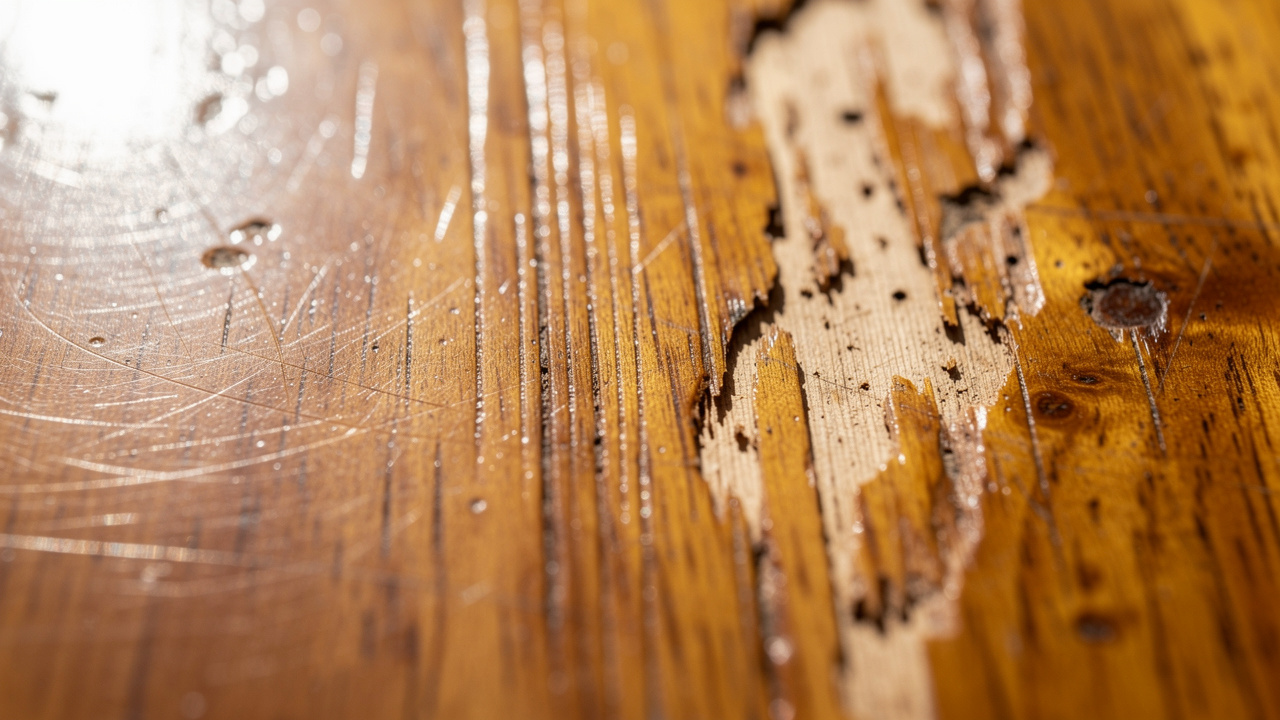
Different kinds of damage on wooden furniture need different repair methods, so spotting the type of mark is always the first step. Once the damage type is clear, owners can decide whether gentle home care is enough or whether a professional visit makes more sense.
Surface dullness usually comes from an old oxidized finish, fine scratches, dust film, or heavy layers of wax and spray polish. Subsurface problems sit below the finish, where moisture or heat has turned the clear coating cloudy or pushed the finish away from the timber.
Polish on top of deeper issues does not fix them and can even lock in moisture or grime. That is why Shaheen Furniture Polish always starts with close inspection before any restoration work. The main categories below cover most cases owners in the UAE see.
Light scratches and scuffs stay in the clear finish rather than cutting into the wood. They feel almost smooth and only slightly catch a fingertip. After cleaning, a small amount of paste wax or a touch‑up pen often hides them well.
Deeper cuts in the wood slice through the finish into the timber grain. They look lighter or darker than the surface and feel sharp to touch. Repair often needs filler, sanding, careful color matching, and a fresh coat of finish.
Faded, wide dull areas on table tops or chair arms often come from sunlight breaking down the finish. According to the International Window Film Association, ultraviolet light alone accounts for around forty percent of interior fading on surfaces. Pieces near bare windows or balconies dull faster in Dubai.
White clouds, rings, or milky streaks signal moisture just under the finish from heat or water. Flaking near edges and handles shows the finish has lost grip. Both problems usually call for the finish to be renewed rather than a quick polish alone.
How Dubai’s Climate Makes Wooden Furniture More Vulnerable
Dubai weather puts extra stress on wooden furniture because heat, dry indoor air, and strong sunlight all pull moisture from every board. According to the UAE National Center of Meteorology, summer temperatures in the city often climb above forty degrees, while interiors stay heavily air conditioned.
That constant swing makes wood expand and shrink, which opens joints, cracks finishes, and exaggerates scratch lines. Dust and salty coastal air add a fine abrasive layer, especially on pieces near windows or air vents. Without regular care, even high‑quality furniture can start to look worn far sooner than expected.
How to Remove Scratches from Wooden Furniture at Home
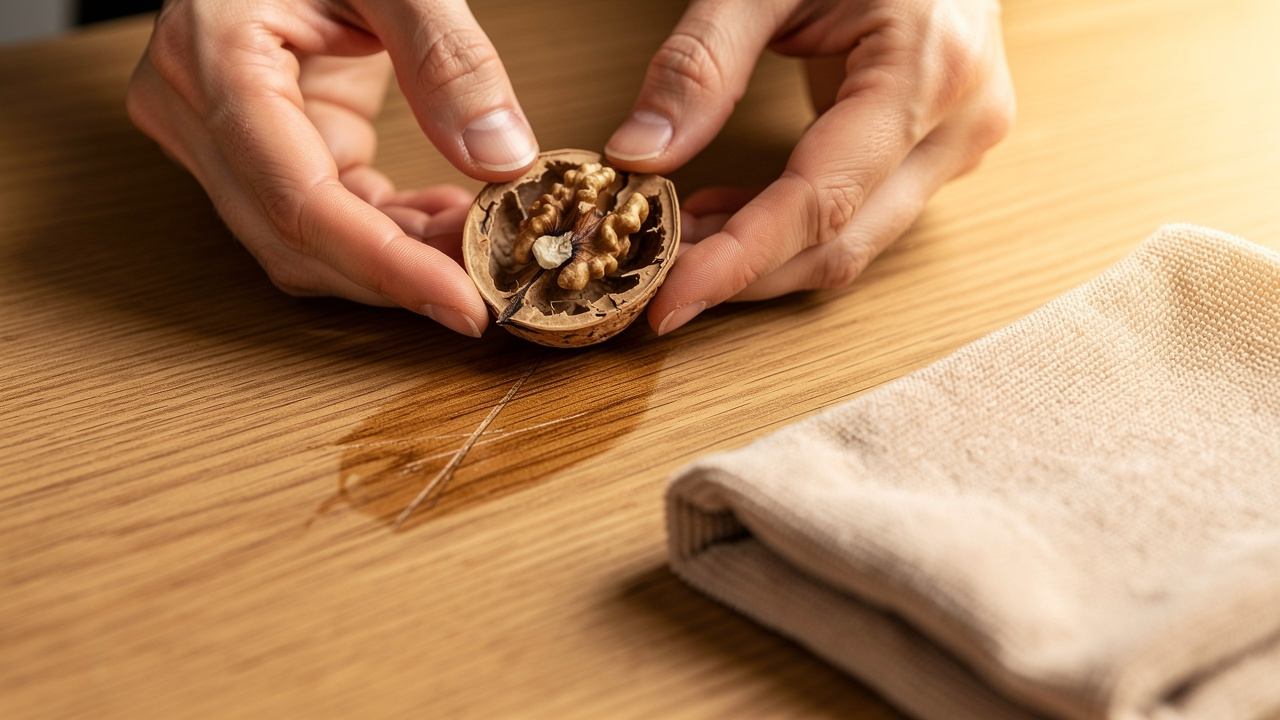
Minor scratches and light dullness on wooden furniture often respond well to patient home care, as long as the damage stays shallow. The sequence below keeps things safe and gives better results than jumping straight to heavy sanding.
Clean The Surface Carefully
Start by removing loose dust with a dry microfiber cloth, working along the grain. Then wipe with a slightly damp cloth and a drop of mild soap, and dry straight away. This step removes old grime so you do not grind dirt into the finish during later work.Check How Deep The Scratch Really Is
Draw a fingernail gently across the mark. If the nail barely catches, the scratch likely sits in the finish only. If it grabs strongly or you see raw wood, treat the mark as deep and consider professional help.Use A Light Remedy For Shallow Marks
For faint lines and micro scratches, try a walnut rubbed along the grain or a simple mix of equal parts olive oil and vinegar. For slightly stronger lines, a furniture touch‑up marker close to the wood color works well on many finishes. Always wipe away extra product and buff gently with a soft cloth so the repair blends into the surrounding area.Smooth And Protect When Needed
For surface scratches that still show, very fine paper around 600 grit can level the finish, but only on solid wood and thick lacquer. Work lightly along the grain, stop often, and avoid veneer pieces where the top layer is thin. After sanding, apply paste wax or a furniture‑grade cream polish and buff until the shine returns.
Work slowly and test products first on a hidden spot, such as the back of a leg. Avoid silicone‑based spray polishes because they leave a slick film that can block new finishes from bonding properly. If the surface looks patchy or the color changes too much, pause and ask a professional for advice before going further.
When DIY Isn’t Enough: Signs You Need Professional Scratch Repair
Some damage on wooden furniture falls beyond safe home repair and calls for trained hands and equipment. Deep scratches that show raw wood, peeling lacquer, and white haze that returns after drying all point toward full refinishing.
Color that refuses to match after touch‑ups or signs of movement in the structure, such as loose legs or joints, also need expert attention. Watch for warning signs such as:
deep grooves where your fingernail catches easily
cloudy white patches that keep coming back after drying
flaking or peeling around edges, handles, or corners
wobbly frames, loose joints, or cracked panels
Shaheen Furniture Polish offers a free inspection across Dubai and the UAE, so owners learn exactly what each piece requires before any work starts.
How Professional Scratch Removal and Polishing Works
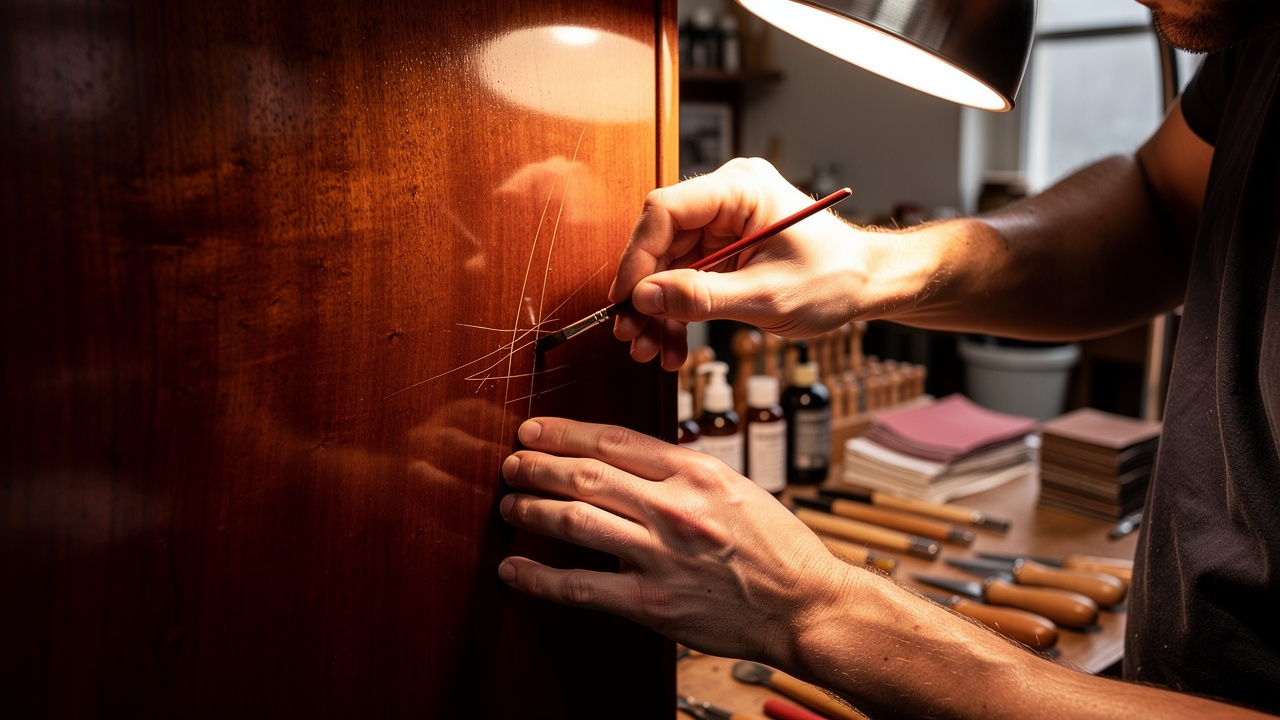
Professional restoration treats scratches, dullness, and structure in one planned process rather than covering marks with quick polish. At Shaheen Furniture Polish, each piece moves through a set sequence that deals with all of these issues for a long‑lasting result.
Repair also keeps heavy furniture out of landfills. The United States Environmental Protection Agency reports that Americans discard over ten million tons of furniture each year, much of it repairable. Choosing restoration in Dubai reduces waste and protects investments at the same time.
Inspection and diagnosis come first. Technicians check wood type, finish, scratch depth, and hidden issues such as loose joints or cracked panels. This avoids mistaking deep damage for a simple surface job.
Careful removal of failed finishes comes next when old coatings have broken down. They are stripped or softened and removed so new material can bond well. Shaheen teams choose methods that protect carvings and veneer. Skipping this step makes quick fixes peel within months.
Surface preparation uses sanding in stages to flatten damage and create an even base. Edges and moldings get hand work to keep profiles sharp. This stage takes time but sets the quality of every later layer.
Filling and structural repair deal with visible gaps, chips, and deep scratches. Technicians use matching filler or inlaid patches, then shape them to match curves. Loose joints are glued and clamped until secure. Fixing structure here keeps the finish from cracking again.
Color matching uses stains, tints, and toners so repaired areas blend with original sections. Technicians check color in natural and artificial light because rooms shift through the day. Good color work keeps patchy spots from shouting “repair.”
Fresh finish and protection complete the process. New polish, varnish, or lacquer goes on in thin coats with proper drying time between layers. For Dubai, Shaheen chooses finishes that resist heat, humidity swings, and ultraviolet light. A final protective coat seals the surface so daily use leaves fewer marks.
“Surface preparation gives most of the result and separates restoration from quick polish cover up.”
– Shaheen Furniture Polish
“Have nothing in your houses that you do not know to be useful or believe to be beautiful.”
– William Morris
Professional work like this not only restores appearance, it also extends the usable life of favorite pieces by many years.
How to Keep Wooden Furniture Looking New in Dubai’s Environment

Once furniture looks fresh again, the goal is to keep that finish clear for as long as possible. Dubai climate turns maintenance into a basic need because heat, dust, and air conditioning all speed up wear.
Regular dusting keeps grit from acting like fine sandpaper on the finish. Use a soft dry microfiber cloth and move along the grain. Skip rough rags that can scratch.
Periodic waxing or conditioning every few months adds a thin protective layer. Apply a light coat of paste wax or silicone‑free conditioner suited to your finish. Work in small sections, then buff until the surface feels smooth and dry. Thick layers attract dust, so less product works better.
Everyday protection habits make a big difference. Use coasters, placemats, and felt pads under hot or hard items to avoid new scratches and rings. Teach children to place toys gently and avoid sliding metal objects across tabletops. These small habits protect both new and restored surfaces.
Control sun and airflow around important pieces. Keep furniture away from direct sun and from air conditioning vents that blow straight on the wood. Use curtains, blinds, or window film to cut ultraviolet exposure on prized tables and cabinets. The National Wood Flooring Association advises indoor humidity around thirty to fifty percent to limit wood movement.
Regular inspections help catch trouble early. Look over furniture a few times a year for new scratches, loose screws, or tiny cracks. Fixing small issues early almost always costs less than waiting until damage spreads. Shaheen Furniture Polish also offers maintenance plans for busy homes and offices across Dubai.
| Frequency | Task |
|---|---|
| Weekly | Dust with a dry microfiber cloth |
| Every 2–3 months | Apply paste wax or furniture conditioner |
| Every 3 to 6 months | Inspect for new scratches, tighten loose joints |
| Annually | Schedule professional polishing with Shaheen Furniture Polish |
“Dubai climate forgives no shortcuts, so protection starts with regular cleaning and balanced humidity.”
– Shaheen Furniture Polish Technical Team
Treat this routine like caring for any other valuable asset, and your furniture will repay you with years of reliable use and good looks.
Wrapping Up
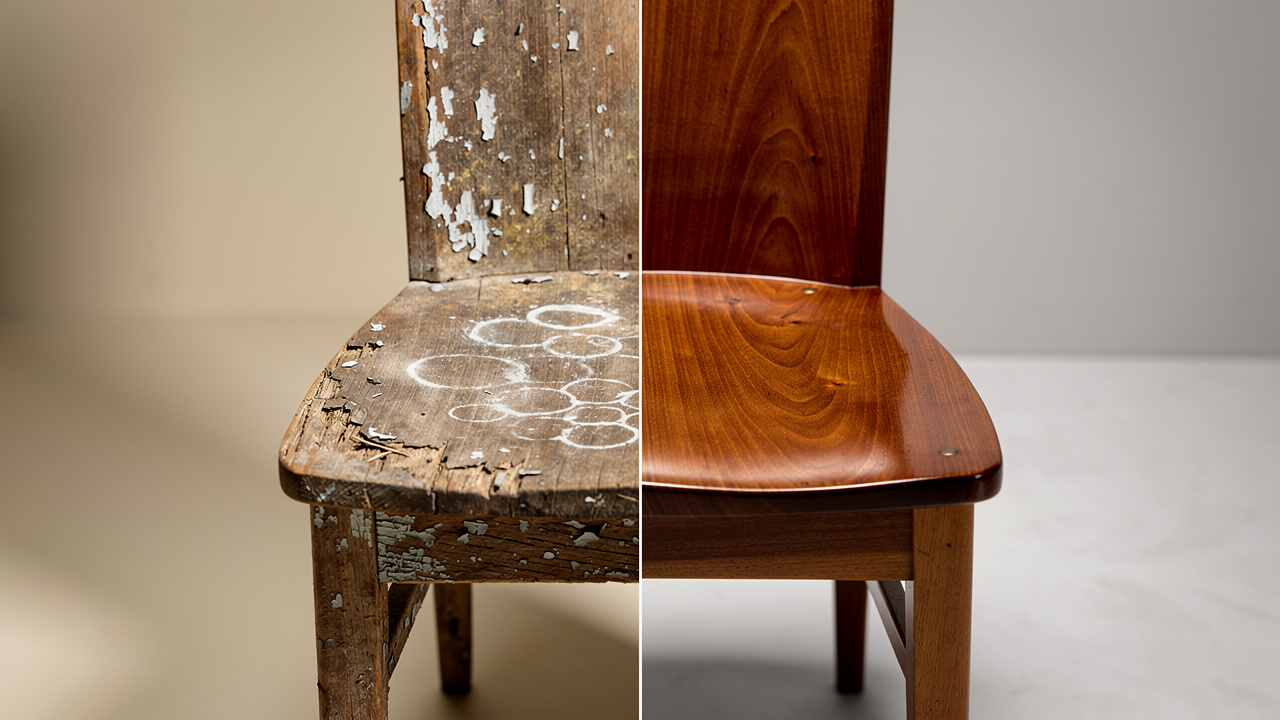
Scratched or dull wooden furniture in Dubai almost never needs to go to the dump, as long as damage is handled correctly. With clear diagnosis, smart home care, and expert restoration for deeper problems, tired pieces can return close to showroom condition.
Shaheen Furniture Polish has helped over ten thousand customers across Dubai and the UAE keep favorite pieces instead of replacing them. For a free inspection and quote, send a WhatsApp message to +971 50 262 4705 or visit shaheenfurniturepolish.com.
Frequently Asked Questions
Question 1: Can Deep Scratches In Wooden Furniture Be Fully Repaired?
Yes, deep scratches in wooden furniture can often be repaired by a professional using filler, sanding, color matching, and refinishing so the mark almost disappears. Results are best when the piece still has solid structure and the surrounding finish is in reasonable condition.
Question 2: Why Does My Wooden Furniture Look Dull Even After Polishing?
Persistent dullness after polishing usually means a problem under the finish, such as trapped moisture, heavy wax buildup, or old silicone spray on the surface. In these cases, the finish often needs stripping and refinishing, not extra layers of household polish, so more spray polish will not fix it.
Question 3: How Much Does Professional Furniture Polishing Cost In Dubai?
Professional furniture polishing in Dubai is priced per piece based on size, design, and current condition. Many jobs sit between fifteen and thirty percent of replacement cost. Shaheen Furniture Polish offers free inspections and clear quotes before any work starts, so there are no surprises.
Question 4: How Often Should Wooden Furniture Be Professionally Polished In The UAE?
Most residential wooden furniture in the UAE benefits from professional polishing about once a year. High‑traffic pieces in hotels, offices, or restaurants may need care every nine months, especially where strong sunlight or heavy daily use is common.
Question 5: Does Shaheen Furniture Polish Offer On-Site Services Across Dubai?
Yes, Shaheen Furniture Polish offers on‑site services across Dubai and the UAE. Large or built‑in pieces stay at the property, while smaller items travel safely to the workshop and return when the restoration is complete.